
Cultural Misconceptions Surrounding Gambling
Casino gambling has long been surrounded by a veil of misconceptions and cultural myths that distort the public’s understanding of the activity. Many people tend to view gambling as an activity reserved for the desperate or the reckless, often associating it with negative stereotypes. This perception is not only unfair but also fails to recognize the social aspects of gambling, where individuals gather to enjoy games of chance, competitions, and a shared experience. In fact, platforms like 1win highlight how casino environments can be vibrant and thrilling, serving as places for entertainment rather than solely a means of financial gain.
Additionally, it’s common to hear that gambling inevitably leads to addiction. While it is true that some individuals may develop gambling problems, this is not a universal outcome. Just as with any form of entertainment, moderation is key. Many people successfully engage with casinos as a leisure activity, enjoying the thrill of play without letting it take control of their lives. Understanding that responsible gambling can be a part of a balanced lifestyle is crucial in debunking the myth that all gamblers are problem gamblers.
The portrayal of gamblers in media often contributes to these misconceptions, as films and shows frequently depict gambling as a dark and destructive path. However, these dramatizations do not reflect the reality of most players who engage in gambling responsibly. By acknowledging the diversity of experiences within the gambling community, society can begin to shift its perception and appreciate the various reasons individuals choose to visit casinos.
Understanding Odds and House Edge
Another prevalent myth about casino gambling is the belief that players can develop strategies to consistently beat the house. Many people think they can find a “foolproof” method or strategy that guarantees wins. However, most casino games are designed with a built-in advantage for the house, known as the house edge. This concept refers to the slight percentage advantage that casinos have over players, ensuring that, over time, the house will always come out ahead. Understanding this concept is vital for anyone looking to engage with casino games.
Many table games, such as blackjack and poker, do allow skilled players to minimize the house edge through strategy and experience. However, the idea that players can completely overcome the house advantage is misleading. Casinos thrive on the idea of chance, and with this randomness comes inherent risk. Players should approach gambling with the mindset that they are paying for entertainment rather than expecting to make a profit.
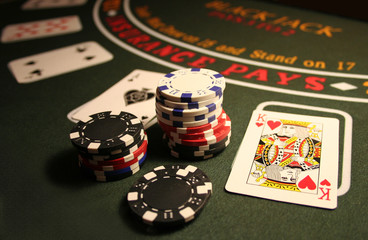
To navigate the odds effectively, players need to familiarize themselves with the rules of each game, including payout structures and probabilities. Moreover, responsible players understand that gambling should be viewed as a form of entertainment and not as a reliable source of income. Recognizing that wins are part of the thrill, but losses are also a possibility, can help foster a healthier approach towards gambling.
The Glamour of the Casino Experience
Casinos often portray an image of glamour and wealth, with lights, sounds, and vibrant atmospheres that draw people in. This portrayal can contribute to the myth that gambling is a surefire way to achieve financial success. While stories of big winners can be captivating, they are rare exceptions rather than the rule. In reality, many gamblers do not walk away with life-changing sums of money and, in fact, may find themselves facing substantial losses in the hopes of recouping their investments.
The allure of luxurious casinos can obscure the potential risks involved in gambling. It is essential for players to assess their motivations for participating in games of chance. Some people may be drawn to the excitement and adrenaline rush, while others might be seeking an escape from their daily lives. Understanding these motivations can help individuals engage more responsibly, knowing that the thrill of gaming should be combined with awareness of its realities.
Furthermore, the environment created by casinos encourages social interaction and entertainment among friends and family. This communal aspect often contributes to the glamour associated with gambling. People gather not just to win money but to share experiences and create memories together. Focusing on the social element can help mitigate the pressures that come with expectations of winning, allowing for a more enjoyable experience regardless of the outcome.
Legal and Ethical Perspectives on Gambling
Many myths surrounding casino gambling stem from misinterpretations of legality and ethics. In some regions, gambling is viewed as a vice, leading to stigmas that may deter individuals from participating in what can be a safe and regulated form of entertainment. This perception is often rooted in historical biases and cultural beliefs that can misrepresent the complexities of gambling. Most state laws establish strict regulations to ensure safe and fair gambling practices, supporting responsible play.

Additionally, many jurisdictions invest significant resources into responsible gambling initiatives, including education and support for those who may develop issues. The aim is to create a safe environment where individuals can enjoy gaming without succumbing to the pitfalls often associated with it. Clearing up misunderstandings related to gambling laws can help dispel myths surrounding the activity and promote a better understanding of its ethical considerations.
When it comes to the ethics of gambling, the conversation often revolves around the risks and responsibility of both players and operators. Casinos have a moral obligation to promote responsible gambling and provide resources for those who need help. By recognizing that gambling can be fun and harmless when done responsibly, operators can contribute to changing the narrative to reflect a more balanced view of casino gambling.
Exploring More About Responsible Gambling
As the myths surrounding casino gambling are unraveled, it becomes imperative to focus on the importance of responsible gambling practices. Awareness and education play crucial roles in ensuring that gamblers understand the risks and make informed choices. Many casinos offer programs and resources that highlight responsible gambling, encouraging players to set limits on their playtime and betting amounts. By promoting a culture of awareness, the gambling community can help foster a more positive and responsible gaming experience.
Many online resources exist to help individuals recognize the signs of problem gambling and offer guidance for those seeking help. Understanding that gambling is a form of entertainment rather than a means to solve financial woes can help individuals maintain a healthy relationship with the activity. Support systems, whether from friends, family, or professional organizations, can significantly impact those who may be struggling. Encouraging open conversations about gambling can also work towards destigmatizing the issues associated with it.
By continuing to educate both players and the general public about responsible gambling, the potential for harm can be minimized, while the enjoyment of games and social interaction can be maximized. A shift in perspectives is necessary to appreciate the excitement that gambling can bring while embracing a culture that values safety and responsibility, ensuring a more enjoyable experience for all.